






How to Start Vibe Coding: A Step-by-Step App Development Guide
TL;DR
- Vibe coding is an AI-assisted development approach where developers describe features using prompts instead of writing all code manually.
- Understanding what is vibe coding helps developers adopt faster and more efficient modern app development workflows.
- A structured step-by-step vibe coding process starts with defining the app idea, choosing the right tools, and writing clear intent-based prompts.
- AI tools generate initial frontend, backend, and logic components, enabling vibe coding for app development to begin quickly.
- Iteration is essential , developers refine generated code through follow-up prompts and manual review.
- Testing and validation remain crucial even when using rapid application development methods.
- Deployment completes the workflow, allowing developers to launch MVPs faster using faster app development techniques.
- Beginners should start with small projects and reusable prompt templates to improve productivity.
- Combining manual coding expertise with an AI-powered coding workflow produces the best long-term results.
- As AI tools evolve, vibe coding for app development will become a standard practice in modern software engineering.
Introduction
Software development is evolving faster than ever. What once required weeks of setup, scaffolding, and repetitive coding can now be done in hours using AI-assisted workflows. That’s where this Vibe coding guide comes in. If you’ve been wondering what is vibe coding and how it fits into modern development, you’re in the right place.
This article provides a complete step-by-step vibe coding roadmap to help you begin vibe coding for app development confidently. Whether you’re a solo developer, startup founder, or just exploring rapid application development methods, you’ll learn practical faster app development techniques you can apply immediately.
What Is Vibe Coding?
Before diving deeper into this Vibe coding guide, let’s clarify what is vibe coding in simple terms. Vibe coding is an AI-powered coding workflow where developers describe the intent of an application using natural language, and AI tools help generate the structure, components, and logic.
Instead of writing every line manually, you guide the system through prompts and refine the results. This makes vibe coding for app development faster and more intuitive, especially when compared to traditional coding methods. In today’s modern app development workflow, vibe coding allows developers to focus more on features and product logic rather than repetitive setup tasks.
Benefits of Starting with Vibe Coding
- Accelerates faster app development techniques by reducing boilerplate coding
- Simplifies experimentation with new ideas
- Enables quick MVP creation using rapid application development methods
- Enhances productivity in the modern app development workflow
- Supports collaboration through shared prompt-driven logic
For beginners and experienced developers alike, vibe coding for app development reduces the friction between idea and execution.
Tools You Need to Start Vibe Coding
- An AI-enabled coding platform or AI IDE
- A version control system like Git
- A hosting or deployment environment
- Basic familiarity with application logic
These tools form the foundation of an AI-powered coding workflow that supports scalable vibe coding for app development.
Step-by-Step: How to Start Vibe Coding
This section is the core of the Vibe coding guide, providing a structured step-by-step vibe coding process you can follow.
Step 1: Define Your App Idea Clearly
Every successful modern app development workflow begins with clarity. Outline the problem your application solves, who will use it, and which features matter most. Clear thinking leads to better prompts and smoother vibe coding for app development.
Step 2: Choose the Right Vibe Coding Tool
Different tools support different workflows. Some focus on editors, others on full-stack generation. Selecting the right tool ensures your AI-powered coding workflow aligns with your project goals and development style.
Step 3: Write Your First Intent-Driven Prompt
In what is vibe coding, prompts act as instructions. Instead of “write login code,” try “build a login system with email authentication and password reset.” Better prompts lead to better results, making step-by-step vibe coding more effective.
Build this with a prompt on Greta.sh — describe the app, Greta writes and deploys it.Step 4: Generate the Initial Application Structure
Using your prompts, create the base structure: frontend components, backend routes, and database models. This is where rapid application development methods shine, allowing you to produce a working skeleton quickly.
Step 5: Iterate and Refine the Generated Code
Review AI output carefully. Ask for improvements, refactors, or additional features. Iteration is central to this Vibe coding tutorial, turning initial drafts into production-ready code.
Step 6: Test and Validate Your App
Testing remains essential in vibe coding for app development. Validate functionality, check edge cases, and confirm integrations. Even with faster app development techniques, quality control cannot be skipped.
Step 7: Deploy Your Application
Once validated, deploy your app using hosting tools or integrated deployment options. This final step completes the step-by-step vibe coding lifecycle, taking your project from idea to live product.
Best Practices for Beginners in Vibe Coding
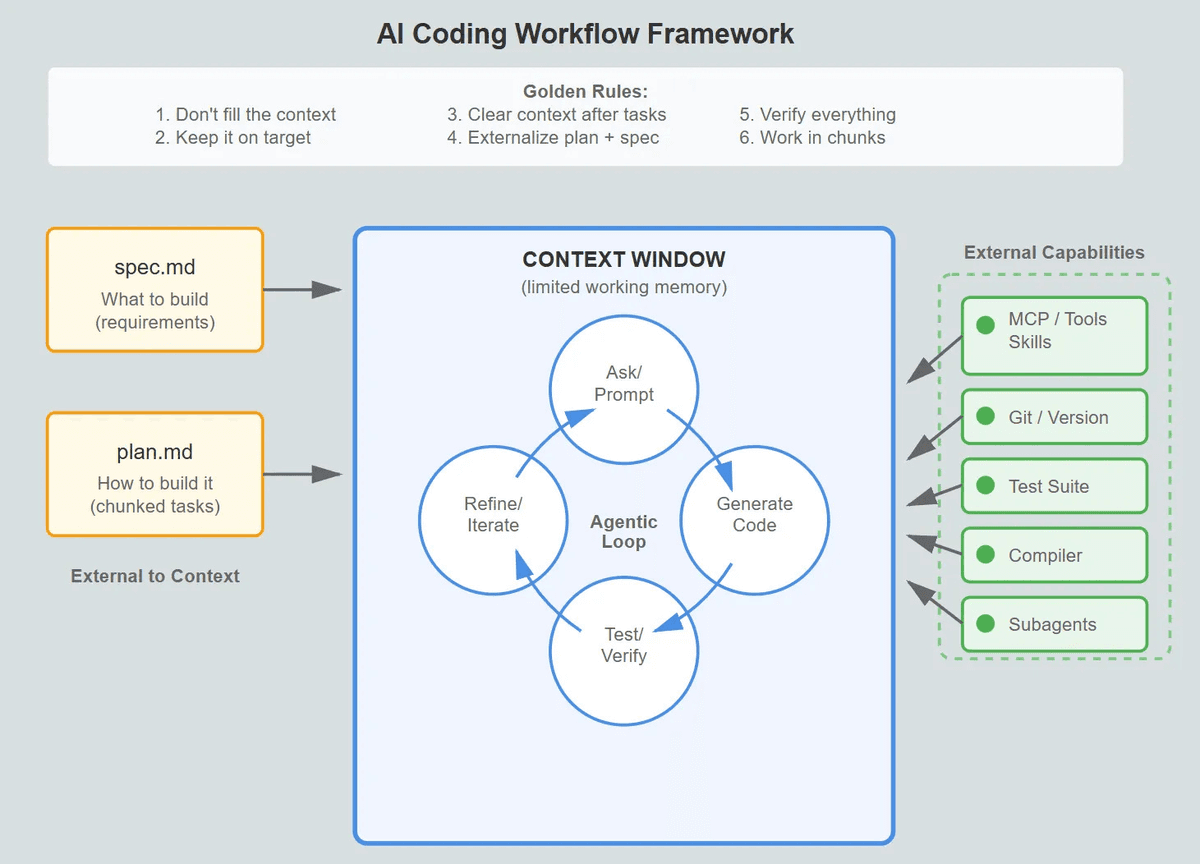
- Break features into smaller prompt-driven tasks
- Maintain version control to track changes
- Combine AI output with manual review
- Save reusable prompt templates for future projects
- Follow structured modern app development workflow principles
These habits ensure sustainable vibe coding for app development rather than short-term experimentation.
Common Mistakes to Avoid When Starting
- Relying on single large prompts instead of iterative prompts
- Ignoring code testing during rapid generation
- Skipping architecture planning
- Overlooking maintainability in rapid application development methods
A disciplined AI-powered coding workflow ensures long-term project success.
Example Starter Projects for Practice
- Task management dashboard
- Personal expense tracker
- Feedback collection tool
- Simple booking system
These beginner-friendly examples demonstrate how vibe coding for app development fits real-world use cases.
How to Progress from Beginner to Advanced Vibe Coding
- Create advanced prompt libraries
- Integrate testing automation
- Combine manual optimization with AI generation
- Expand projects from MVPs to production-scale systems
This progression transforms your Vibe coding tutorial knowledge into professional-level skills.
Why You Should Choose Greta?
For developers looking to move faster without sacrificing structure, Greta stands out as a powerful choice for modern app development. It combines a prompt-driven workflow with full-stack code generation, allowing teams to turn ideas into working applications in minutes rather than days. With built-in preview, iteration, and deployment capabilities, Greta supports a seamless AI-powered coding workflow that reduces boilerplate work while keeping developers fully in control of logic and architecture, making it an ideal platform for building MVPs, internal tools, and production-ready applications efficiently.
Want to try one of these? Start on Greta.sh — no setup, no boilerplate — just a prompt.Conclusion
This Vibe coding guide demonstrates how modern developers can move from concept to deployment using structured step-by-step vibe coding workflows. By understanding what is vibe coding, applying faster app development techniques, and following an intentional AI-powered coding workflow, anyone can accelerate vibe coding for app development without sacrificing quality.
As rapid application development methods continue to evolve, developers who adopt vibe coding today will gain a significant advantage in tomorrow’s modern app development workflow.
FAQs
1. What is vibe coding in simple terms?
It is an AI-assisted development approach where developers describe features and AI generates supporting code.
2. Is vibe coding suitable for beginners?
Yes, the Vibe coding tutorial workflow makes development easier for beginners.
3. Does vibe coding replace manual coding?
No. It enhances productivity within a modern app development workflow.
4. Can vibe coding handle full-stack apps?
Yes, many tools support vibe coding for app development across frontend and backend.
5. How does step-by-step vibe coding improve productivity?
It breaks development into manageable prompt-driven tasks.
6. What tools are required for vibe coding?
AI-enabled coding platforms, version control, and deployment tools.
7. Are rapid application development methods reliable?
Yes, when combined with testing and validation processes.
8. How long does it take to learn vibe coding?
Most developers grasp basic workflows within days.
9. Can teams use Vibe coding workflows?
Yes, it fits collaborative AI-powered coding workflow environments.
10. What is the future of vibe coding?
It will become a core part of the modern app development workflow as AI tools evolve.





© 2026 Questera
Follow in Google