






Best Vibe Coding Tools in 2026 (AI IDEs, Agents & Platforms)
TL;DR
- Vibe coding tools use AI to help developers build apps faster and with less boilerplate
- AI IDEs enhance traditional editors with AI-assisted coding and refactoring
- AI agents act as conversational partners for reasoning, planning, and code updates
- End-to-end platforms handle full app creation, preview, and deployment
- AI IDEs offer high control but require more setup
- AI agents are best for logic exploration and quick iterations
- Platforms are ideal for MVPs and full-stack app development
- Many developers combine IDEs, agents, and platforms for best results
- Choosing the right tool depends on project size, speed needs, and control
- The best vibe coding tools balance speed, structure, and maintainability
If you’ve written code anytime in the last year, you’ve probably felt it,the shift. Coding is no longer just about typing lines into an editor. It’s about guiding software into existence. That’s where vibe coding tools come in.
In 2026, the rise of AI coding tools has completely changed how developers prototype, build, and ship applications. Instead of wrestling with boilerplate or setting up endless configurations, developers now collaborate with AI,describing intent, refining logic, and letting tools handle the repetitive work.
This guide breaks down the best vibe coding tools available today, across AI IDEs, AI agents, and full platforms. Whether you’re a solo builder, a startup founder, or part of a dev team, this article will help you understand which AI-powered coding tools fit your workflow,and why.
What Makes a Great Vibe Coding Tool?
Not all vibe coding tools are created equal. Some feel magical at first, then fall apart once the project grows. The best ones share a few key traits.
First, they understand context. Strong AI coding tools don’t just generate snippets; they know how files relate, how logic flows, and how features connect. Second, they support full-stack thinking. The best vibe coding tools help with frontend, backend, and integration,not just UI mockups.
Finally, great tools support iteration. Vibe coding isn’t “one prompt and done.” It’s a conversation. The best AI developer tools make it easy to refine, adjust, and evolve your app without starting over.
Top AI IDEs for Vibe Coding in 2026
AI IDEs are often the first place developers experience vibe coding. They keep the familiar editor-based workflow while adding powerful AI coding tools that understand intent, context, and project structure. In 2026, several AI IDEs stand out for how well they support vibe coding in real development scenarios.
Cursor
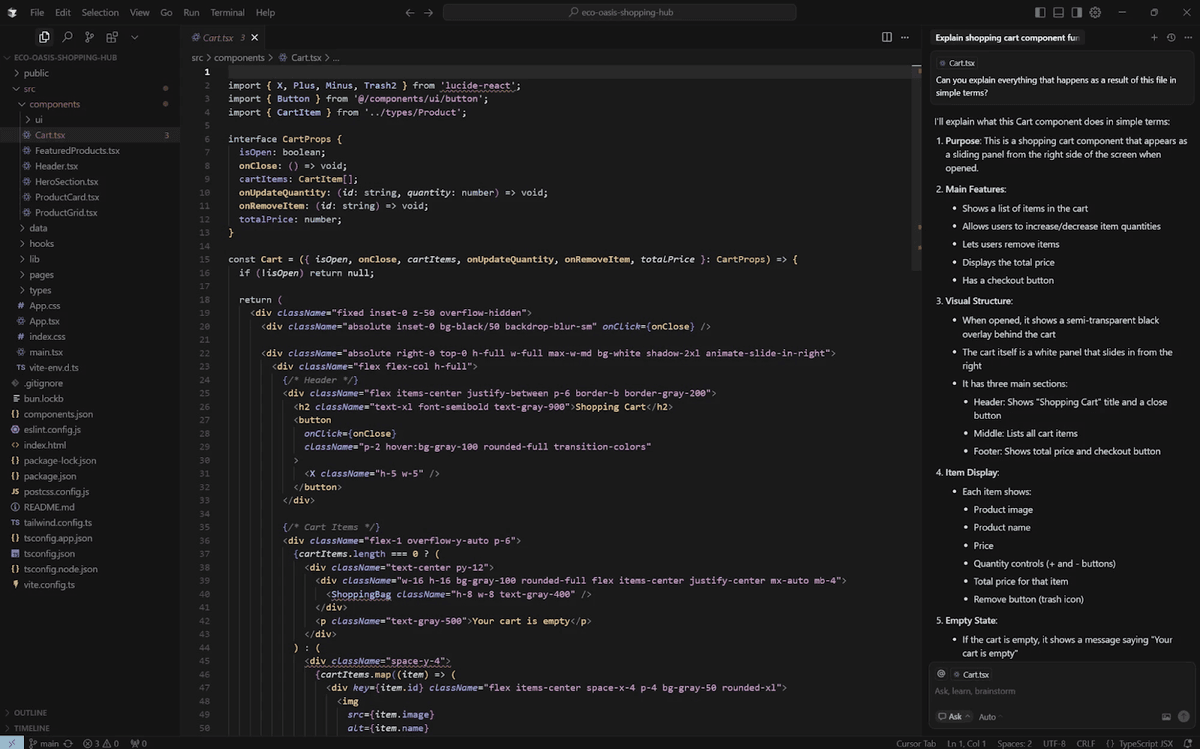
Cursor is one of the most popular AI IDEs for vibe coding. Developers can select any part of the codebase and ask the AI to refactor, explain, or extend it. This makes it easy to iterate on features without breaking flow, especially when working with larger projects that need context-aware updates.
VS Code with AI Assistants (Copilot Chat and similar tools)
When paired with AI extensions, VS Code becomes a flexible vibe coding environment. Developers can describe features in natural language, generate components, and improve existing logic while staying inside a traditional editor. This setup is widely used by developers who want AI-powered coding tools without abandoning their existing workflow.
 Build this with a prompt on Greta.sh — describe the app, Greta writes and deploys it.
Replit AI IDE
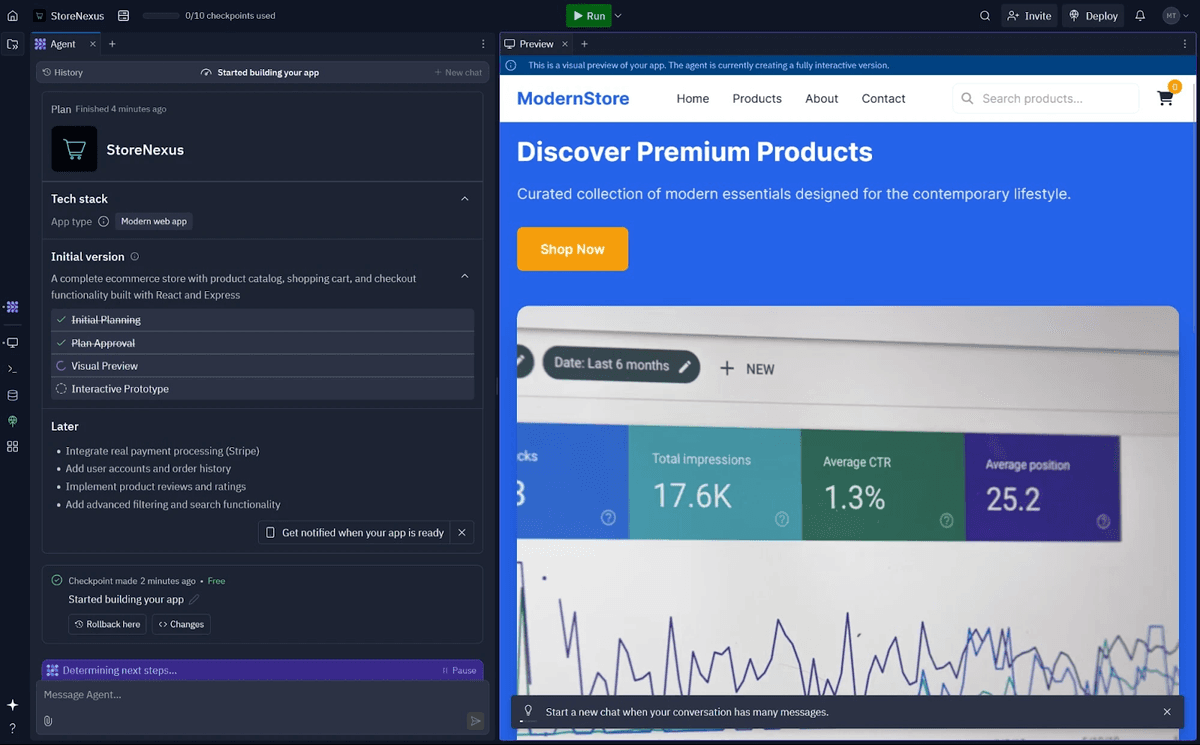
Replit’s AI-powered IDE focuses on speed and accessibility. With no local setup required, developers can open a browser, describe an application, and start building immediately. It’s especially useful for quick prototypes, experiments, and learning-focused projects where fast feedback matters.
These AI IDEs work best for developers who want direct control over their code while still benefiting from vibe coding tools that reduce repetitive work and speed up iteration.
Best AI Agents for Vibe Coding Workflows
AI agents play a big role in vibe coding workflows because they act as conversational partners rather than traditional editors. Instead of working line by line, developers explain intent, logic, or changes, and the agent helps generate, refine, or reason about the code. In 2026, several AI agents stand out for how well they support real-world vibe coding tools and AI coding tools workflows.
ChatGPT (Advanced Coding Models)
ChatGPT is widely used as an AI agent for vibe coding, especially during planning and iteration. Developers use it to describe features, design flows, generate backend logic, and even refactor existing code. Its strength lies in reasoning through problems step by step, making it useful for shaping ideas before or during implementation.
Claude
Claude is often preferred for long-form reasoning and large-context projects. Developers rely on it to analyze entire files, suggest architectural improvements, and rewrite complex logic in a clearer way. For vibe coding workflows that involve multi-file awareness and thoughtful refactoring, Claude works well as a supporting AI coding tool.
GitHub Copilot Chat
Copilot Chat functions as an embedded AI agent inside the editor. Developers can ask it to explain code, generate tests, or modify existing functions without leaving their IDE. This makes it especially effective for fast, in-context vibe coding where small changes need to happen quickly.
Auto-GPT–Style Task Agents
Task-oriented agents are often used to automate specific development steps such as test generation, documentation, or repetitive refactoring. While they require more setup, they can accelerate focused tasks within a broader AI-powered coding tools workflow.
AI agents are most effective when used alongside other vibe coding tools rather than alone. They shine at reasoning, explaining, and iterating, helping developers move faster while staying in control of the codebase.
Leading Platforms for End-to-End Vibe Coding
End-to-end vibe coding platforms go beyond assisting with code snippets or edits. They support the entire AI coding workflow, from idea and prompt-based generation to preview, iteration, and deployment. These platforms are designed for developers who want to build apps faster with AI while keeping everything,frontend, backend, and logic,under one roof.
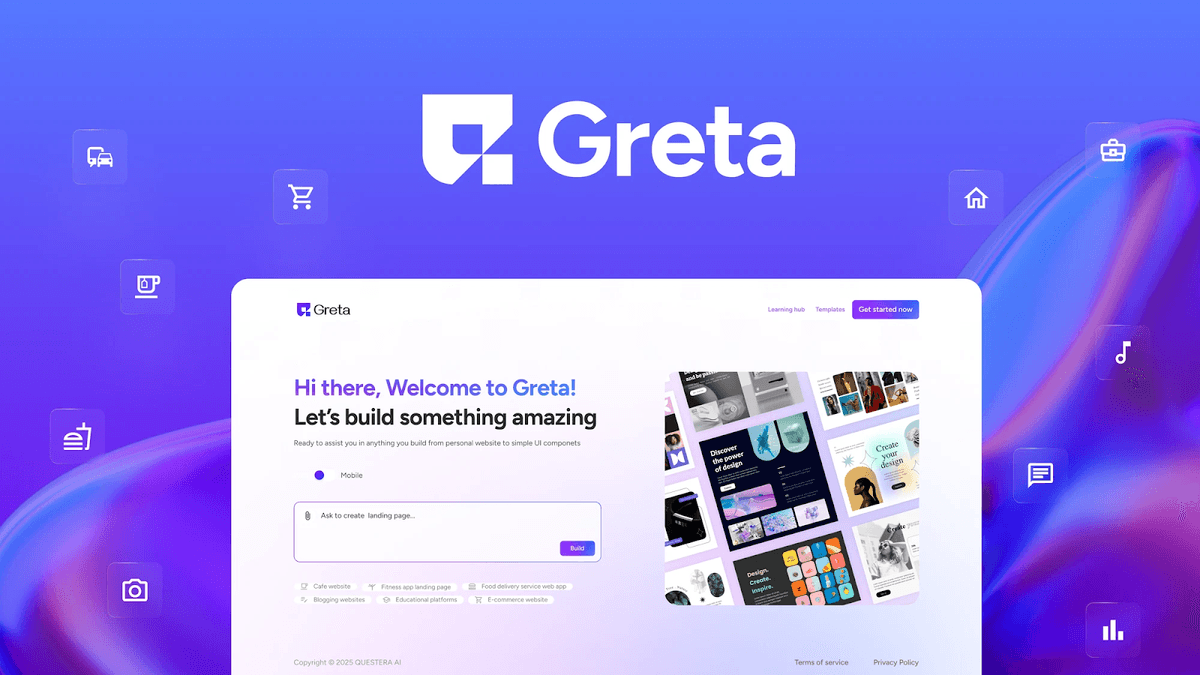
Greta
Greta is built specifically for vibe coding and full-stack AI-powered application development. Developers describe what they want to build using natural language, and Greta generates frontend components, backend logic, and application structure together. It supports iterative prompts, multi-file awareness, live previews, and deployment-ready workflows, making it well-suited for building MVPs and production-ready applications using AI.
 Want to try one of these? Start on Greta.sh — no setup, no boilerplate — just a prompt.
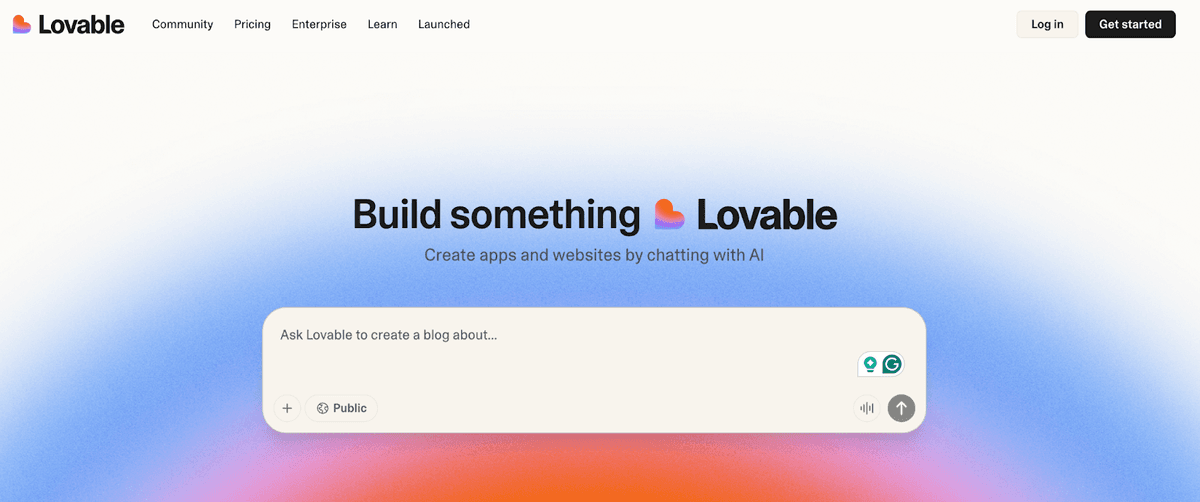
Lovable
Lovable focuses on rapid app generation from prompts, making it popular for quick prototypes and early-stage ideas. Developers can describe an app and see a working version almost instantly. While it prioritizes speed, it’s most commonly used for validating concepts rather than maintaining long-term, complex codebases.
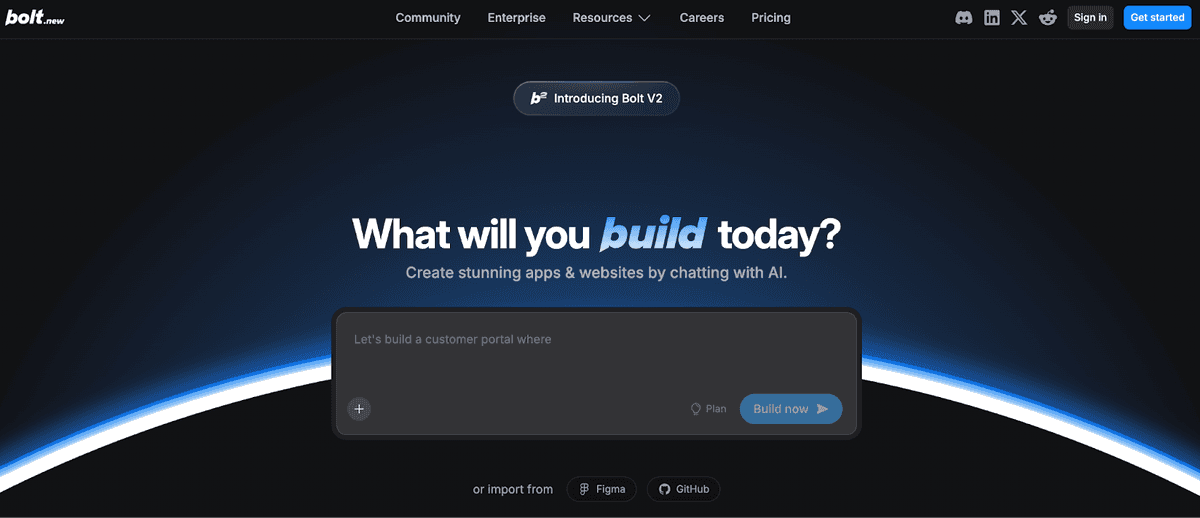
Bolt.new
Bolt.new emphasizes fast iteration and visual feedback. Developers can generate apps from prompts, preview them instantly, and refine features through conversational updates. It’s often used for frontend-heavy projects and quick experiments where visual output matters early.
Replit (Platform Mode)
Beyond its IDE, Replit also functions as a full platform where developers can generate, edit, run, and deploy applications in one place. Its AI features help scaffold projects quickly, while built-in hosting simplifies going from prototype to live app.
These platforms are ideal for developers who want a complete vibe coding experience,one where AI-powered coding tools handle setup, generation, and iteration, allowing builders to focus on product logic and user experience rather than infrastructure.
Use Cases and When to Choose What
Solo Developers
Solo builders benefit most from platforms and cloud IDEs. They reduce setup, speed up delivery, and act as a second brain. For solos, AI coding tools aren’t optional,they’re leverage.
Small Teams
Teams need shared context. Platforms with collaboration features and consistent AI-powered coding tools are ideal here.
Large Projects
For complex apps, AI IDEs paired with project-level agents often work best. Control matters more as systems grow.
Difference between AI IDEs, Agents & Platforms
| Aspect | AI IDEs | AI Agents | End-to-End Platforms |
|---|---|---|---|
| Primary Role | Assist developers inside a code editor | Act as conversational coding partners | Handle the full app-building lifecycle |
| How You Interact | Inline suggestions and chat within the IDE | Natural language chat or task prompts | Prompt-based app creation with previews |
| Best For | Developers who want control with AI assistance | Reasoning, refactoring, and planning | Rapid full-stack app development |
| Typical Output | Code snippets, refactors, explanations | Logic suggestions, rewritten code | Complete frontend + backend apps |
| Context Awareness | Strong within open files | Strong in conversation history | Strong across entire projects |
| Multi-File Handling | Limited to editor context | Depends on agent capability | Built-in multi-file awareness |
| Setup Required | Requires local or cloud IDE setup | Minimal setup | Little to no setup |
| Deployment Support | External tools required | External tools required | Often included |
| Speed vs Control | High control, moderate speed | High speed for reasoning tasks | High speed, guided control |
| Learning Curve | Low for existing developers | Low to moderate | low |
| Ideal User | Experienced developers | Developers exploring ideas or changes | Solo builders, startups, small teams |
| Example Tools | Cursor, VS Code + Copilot | ChatGPT, Claude, Copilot Chat | Greta, Lovable, Bolt.new |
Conclusion
Vibe coding isn’t a trend; it’s a shift. The best vibe coding tools in 2026 help developers think in outcomes instead of syntax. Whether you choose AI IDEs, agents, or full platforms, the goal is the same: build better software, faster.
As AI coding tools continue to evolve, developers who embrace them thoughtfully will move ahead, not because they code less, but because they code smarter.
Ready to ship? Open Greta.sh — your idea → a working app, in one chat.FAQs
1. What are vibe coding tools?
Vibe coding tools are AI coding tools that help developers build apps using natural language and intent.
2. Are vibe coding tools replacing developers?
No. They enhance productivity. The best AI coding tools amplify human skills.
3. Which vibe coding tools are best for beginners?
Cloud platforms and chat-based tools are easiest to start with.
4. Can vibe coding tools handle full-stack apps?
Yes. Many modern AI-powered coding tools support full-stack workflows.
5. Are AI coding tools reliable for production?
They can be, with proper review and structure.
6. What’s the difference between AI IDEs and platforms?
IDEs focus on code editing; platforms manage the entire app lifecycle.
7. Are these tools expensive?
Many offer free tiers. The value often outweighs the cost.
8. How do I avoid bad AI-generated code?
Review, refactor, and iterate. Don’t blindly accept output.
9. Will AI coding tools improve in 2026?
Yes. AI coding tools in 2026 will be even more context-aware and powerful.
10. What’s the best way to start with vibe coding tools?
Pick one tool, build a small project, and learn through iteration.