






Best Braze Alternatives for Omnichannel Marketing
Short answer
Choosing the right platform for omnichannel marketing can feel overwhelming. Braze is a popular choice, but it isn’t perfect for every team or budget. Many businesses face challenges with cost, complexity, or scaling their campaigns effectively, which is why they start exploring the best Braze alternatives 2026.
In fact, when teams compare Braze vs Iterable vs MoEngage, they quickly realize that different tools serve different needs. Some brands want AI-driven personalization, while others prioritize affordable omnichannel marketing tools for smaller teams. Whether you are evaluating Braze vs Customer.io alternatives or looking for Braze alternatives for mobile & web engagement, understanding your options is critical.
This guide walks you through the top omnichannel marketing platforms and offers a clear Braze competitor comparison. If you’re exploring omnichannel marketing options, this guide will help you find the right fit for your business.
If Bloomreach is also on your shortlist, our Bloomreach alternatives guide compares seven options for its marketing and ecommerce search products, with pricing models.
Why Brands Look for Braze Alternatives
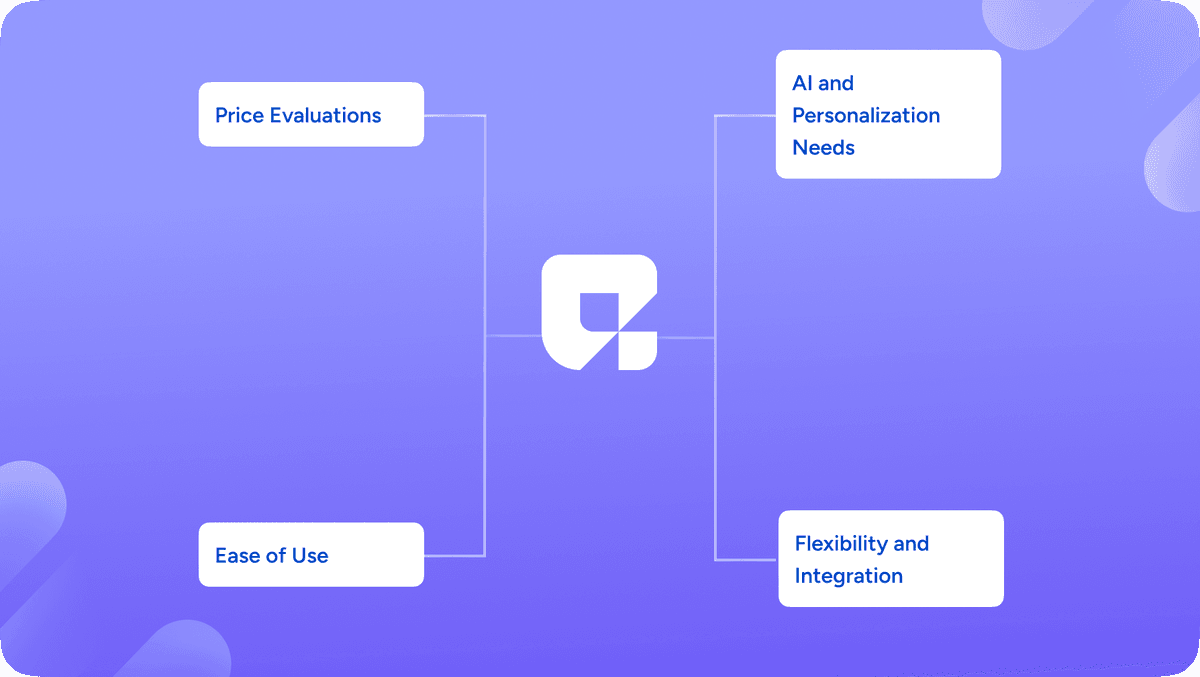
Identifying the right omnichannel marketing platform is rarely easy. Braze has established a solid reputation for mobile engagement and multi-channel campaigns, but it is not the right fit for every team. Many brands end up comparing Braze alternatives 2026 because they want solutions that offer a balance of performance, cost, and ease-of-use. When teams begin comparing Braze vs Iterable vs MoEngage, it is immediately noticeable how pricing, flexibility, and automation suitability differ.
Price Evaluations
Price is often a key driver for companies to be interested in Braze alternatives. Braze can be an expensive platform, especially for startups and mid-market companies trying to scale campaigns without breaking the bank. Businesses at an enterprise scale may have the flexibility for their pricing, but smaller teams are still interested in affordable omnichannel marketing tools that will be able to imitate the performance of Braze, if in a reduced capacity to avoid overspending. Often times, comparing Braze vs Customer.io alternatives even will often spot competitive platforms that offer similar core features for a fraction of the cost, making them sufficiently attractive for newer teams trying to start the engagement journey.
For reference, Braze does not publish prices. As of September 2026 its pricing page quotes by monthly active users plus message credits across four editions (Go, Select, Pro and Enterprise), and it has no free plan.
Ease of Use
Even the most powerful platform loses value if teams struggle to operate it. Some businesses find Braze complex to implement or manage, particularly without dedicated technical support. This is why many companies consider the top omnichannel marketing platforms and conduct a Braze competitor comparison to identify tools that combine functionality with simplicity. Alternatives often offer intuitive dashboards, pre-built workflows, and faster onboarding, which reduces time to campaign execution.
AI and Personalization Needs
Modern marketing demands more than scheduling messages. Companies want AI-driven automation and predictive insights to personalize campaigns at scale. Braze has its own AI suite, BrazeAI, including predictive churn and Decisioning Studio (formerly OfferFit, which Braze acquired in 2025), and every major alternative now markets AI too. When teams compare Braze vs Iterable vs MoEngage, the useful question is whether a platform's AI decides and acts on its own, or only suggests what a marketer should build next.
Flexibility and Integration
Finally, companies need a platform that fits their workflows. Companies need a platform to integrate with their existing analytics & reporting systems, CRMs, or eCommerce platforms. Integration flexibility is key. Teams comparing Braze competitors for mobile & web engagement often choose a platform that suits their own workflow while providing the possibility to expand to multiple channels and still provide advanced reporting and automation flexibility. Therefore, establishing a comparison with Braze competitor analysis is an important and conscious step before committing yourself or your organization to any one application.
Key Features to Consider in Omnichannel Marketing Platform
When choosing an omnichannel marketing platform, it’s easy to get lost in features and technical jargon. The real question is: which capabilities truly drive results for your team? For brands exploring the best Braze alternatives 2026, certain core features separate strong platforms from the rest.
Multi-Channel Support
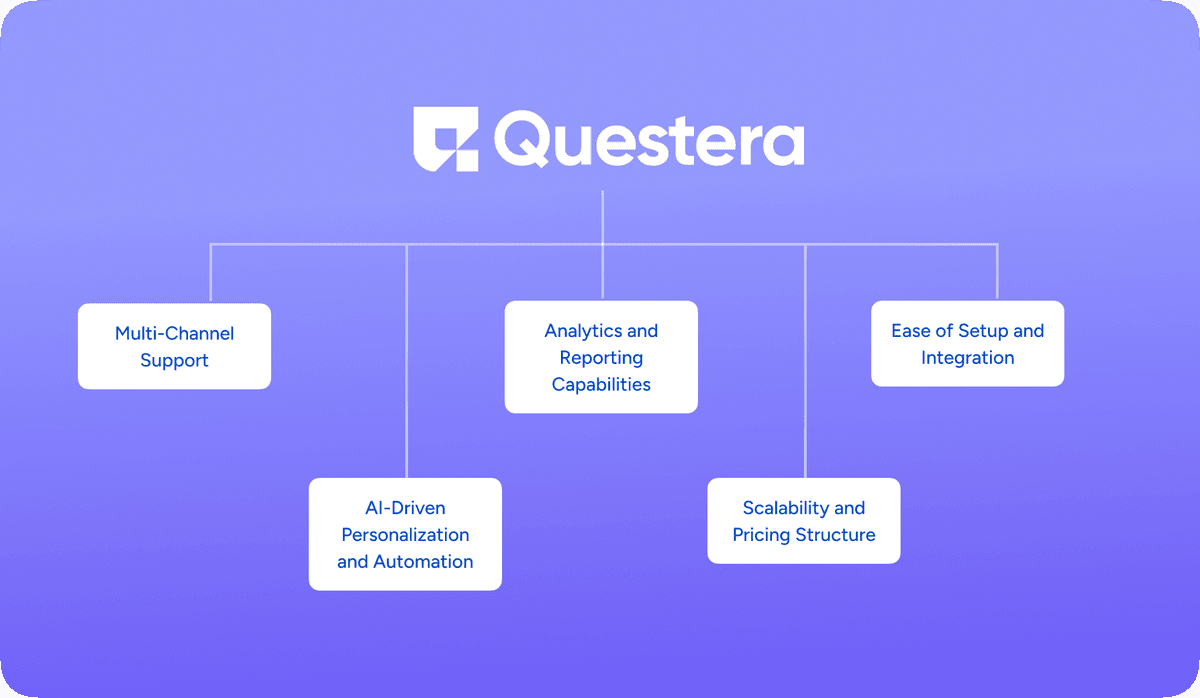
The foundation of any top omnichannel marketing platform is multi-channel support. Whether it’s email, SMS, push notifications, in-app messaging, web, or social campaigns, your platform must reach customers wherever they are. Teams comparing Braze vs Iterable vs MoEngage often prioritize tools that unify these channels into a single workflow, making campaigns more seamless and consistent.
AI-Driven Personalization and Automation
Modern marketing is all about relevance. Platforms with AI-driven personalization and automation allow brands to deliver the right message at the right time. Many companies considering Braze vs Customer.io alternatives realize that advanced AI can drive higher engagement while saving teams hours of manual work.
Analytics and Reporting Capabilities
Data is useless if it’s not actionable. The ability to analyze campaigns, track user journeys, and measure ROI is critical. Brands exploring Braze alternatives for mobile & web engagement look for detailed reporting that informs strategy without requiring extensive technical expertise.
People also read: Top 6 Braze Competitors in 2025
Scalability and Pricing Structure
A platform should grow with your business. While Braze is powerful, some teams seek affordable omnichannel marketing tools that allow scaling campaigns without skyrocketing costs. Pricing flexibility often influences the decision in a Braze competitor comparison.
Ease of Setup and Integration
Finally, integration matters. Platforms must fit into your existing tech stack without complex setup or long delays. For companies evaluating the top omnichannel marketing platforms, ease of implementation can be the difference between launching quickly or getting stuck in endless configuration.
Top 8 Alternatives to Braze
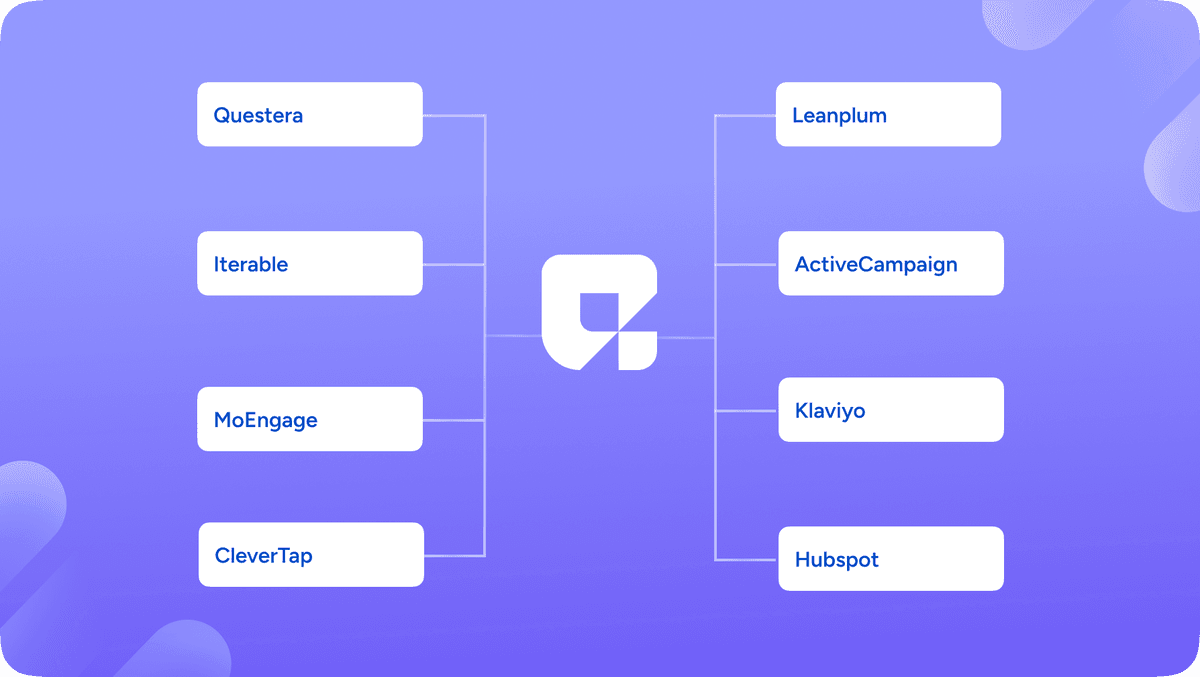
Exploring alternatives to Braze can feel overwhelming, given the sheer number of options available. Many teams start by comparing Braze vs Iterable vs MoEngage, trying to figure out which platform fits their specific needs. The truth is, the best solution depends on your business size, engagement goals, and desired level of automation. To simplify the decision, we’ve broken down the best Braze alternatives 2026, highlighting strengths, ideal users, and what makes each platform unique.
| Platform | Best for | Channels | AI (September 2026) | Pricing (as of September 2026) |
|---|---|---|---|---|
| Braze (for reference) | Real-time, mobile-first engagement at scale | Email, push, SMS/MMS/RCS, WhatsApp, LINE, KakaoTalk, in-app, content cards, webhooks | BrazeAI: predictive churn and events, Decisioning Studio, agents | Quote-only by monthly active users and message credits; no free plan |
| Questera | Teams that want AI agents to run lifecycle journeys | Email, ads and in-app, plus channels in the tools it connects to | AI agents: ELMA, SARA, SEGA, OMNIA | No public price list; quote after a demo |
| Iterable | Email-led cross-channel programmes | Email, SMS, push, in-app, embedded messaging, WhatsApp | Nova: Predictive Audiences, Brand Affinity, send-time and channel decisioning | Quote-only |
| MoEngage | Mobile and web engagement for B2C apps | Email, push, SMS, in-app, on-site messaging, content cards; WhatsApp and RCS as add-ons | Merlin AI agents; AI Decisioning | Quote-only (Growth, Enterprise), billed on monthly tracked users with a one-year minimum |
| CleverTap | Mobile-first retention | Push, email, SMS, in-app, web messaging; WhatsApp and RCS as add-ons | CleverAI; Tesseract decisioning engine | Core from $85/month for up to 5,000 monthly active users; Pro and Ultimate by quote |
| Customer.io | Developer-led, event-triggered messaging | Email, push, in-app, SMS, WhatsApp, LINE, Slack, webhooks | AI Agent (beta), AI-built segments, LLM actions | Essentials from $100/month; Premium from $1,000/month billed yearly |
| ActiveCampaign | SMBs that want email automation with CRM add-ons | Email; SMS and WhatsApp as add-ons; site messages; retargeting ads | Active Intelligence | Starter from $15/month for 1,000 contacts, billed annually |
| Klaviyo | Ecommerce and Shopify brands | Email, SMS, MMS, WhatsApp, RCS, mobile push | Predicted lifetime value and churn risk; K:AI agents | Free up to 250 active profiles; email from $20/month |
| HubSpot Marketing Hub | All-in-one inbound marketing with a CRM | Email, social, ads, WhatsApp; SMS as a paid add-on | Agent Hub agents and Breeze Assistant | Free for up to 2 users; Professional listed from $890/month as of October 2026 (lower when paid annually upfront) with 3 seats, annual commitment |
1. Questera: AI-Powered Lifecycle Marketing with Speed, Affordability, and Personalization
Strengths: Questera is built for speed and intelligence. Its AI agents personalize and run customer journeys across email, ads and in-app, and orchestrate channels such as SMS and push through the tools you already use. Campaigns can be set up quickly without requiring heavy technical expertise, making it a strong fit for fast-moving teams.
Ideal Users: Startups, growing SaaS brands, and mid-market companies seeking AI-powered lifecycle marketing without a large operations team.
Unique Selling Points: Questera is not only a replacement. It plugs into Segment, Snowflake, HubSpot and Braze itself, so a team can add agent-run journeys on top of Braze before deciding whether to migrate at all. Questera does not publish prices on questera.ai; expect a quote after a demo (September 2026).
People also read: 7 Ways Questera Outperforms Braze for Growing Startups
2. Iterable: Email-First Approach with Strong Personalization and Cross-Channel Support
Strengths: Iterable excels at creating sophisticated email campaigns while supporting SMS, push, in-app, embedded messaging and WhatsApp. Its AI layer, Nova, adds Predictive Audiences, Brand Affinity scoring and send-time, frequency and channel decisioning. Pricing is quote-only as of September 2026.
Ideal Users: Brands that prioritize email as a main channel, including eCommerce and mid-market SaaS businesses.
Unique Selling Points: When teams conduct a Braze competitor comparison, Iterable consistently stands out for combining cross-channel reach with ease of use. Many marketing teams evaluating Braze vs Iterable vs MoEngage choose Iterable for its balance between sophistication and user-friendliness.
3. MoEngage: Mobile and Web Engagement for Startups and Mid-Market Companies
Strengths: MoEngage delivers a comprehensive mobile and web engagement solution across 16+ channels, including push, email, SMS, WhatsApp, RCS and in-app. It includes analytics, predictions for churn and conversion, and Merlin AI agents that help build and run campaigns.
Ideal Users: Startups, mid-market businesses, and cost-conscious teams seeking scalable solutions.
Unique Selling Points: In a Braze competitor comparison, MoEngage stands out for its breadth of channels and built-in predictions. Check the commercial terms early: as of September 2026 its Growth and Enterprise plans are quote-only, billed on monthly tracked users, with a one-year minimum commitment.
4. CleverTap: Excellent for Mobile App Engagement and Analytics
Strengths: CleverTap combines mobile app engagement with deep analytics. It tracks user behavior and helps brands optimize campaigns in real time, with CleverAI features for send time, channel choice and predictions. Unlike Braze, it publishes an entry price: the Core plan starts at $85 a month for up to 5,000 monthly active users (September 2026).
Ideal Users: Mobile-first businesses, app developers, and brands seeking in-depth insights into user behavior.
Unique Selling Points: For companies comparing Braze alternatives for mobile & web engagement, CleverTap delivers advanced mobile-first functionality that many competitors lack. CleverTap also owns Leanplum, which it acquired in 2022, so former Leanplum users will find themselves evaluating CleverTap anyway.
5. Customer.io: Event-Driven Messaging for Product and Developer-Led Teams
A note on Leanplum, which held this spot in earlier versions of this list: CleverTap completed its acquisition of Leanplum in June 2022, and leanplum.com now redirects to clevertap.com, so it is no longer a separate option to evaluate.
Strengths: Customer.io triggers messages from almost any product event you send it, across email, push, in-app, SMS, WhatsApp, LINE, Slack and webhooks. Its newer AI features include an AI Agent (in beta), segments built from a prompt, and LLM actions inside journeys.
Ideal Users: Product-led startups and SaaS teams with developers on hand who want fine-grained control over messaging logic.
Unique Selling Points: For teams weighing Braze vs Customer.io, it wins on event-level control and public pricing: Essentials starts at $100 a month billed monthly and Premium at $1,000 a month billed yearly, with a 14-day free trial (September 2026).
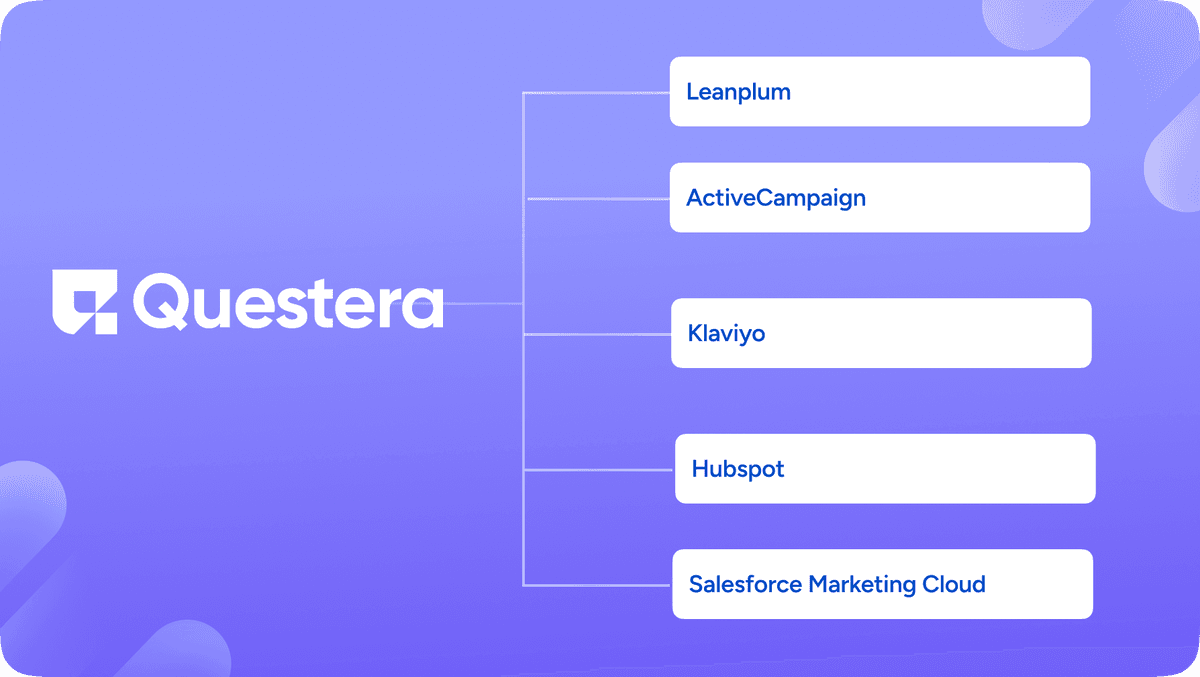
6. ActiveCampaign: Strong CRM Integration Combined with Email Automation for SMBs
Strengths: ActiveCampaign merges email automation with CRM functionality. Every plan has contact profiles, and pipelines and deals come through its Enhanced CRM add-on on the Plus plan and above. SMS and WhatsApp are also add-ons, and its AI features sit under the name Active Intelligence.
Ideal Users: SMBs, service-based businesses, and teams looking for a combined CRM and automation solution.
Unique Selling Points: Many marketers exploring affordable omnichannel marketing tools appreciate ActiveCampaign for its cost-effectiveness and usability. As of September 2026, the Starter plan starts at $15 a month for 1,000 contacts billed annually, with Plus at $49, Pro at $79 and Enterprise at $145.
7. Klaviyo: Best for eCommerce and Shopify Integrations with Targeted Campaigns
Strengths: Klaviyo specializes in eCommerce marketing, offering a native Shopify integration, purchase-based segmentation, and targeted campaigns across email, SMS, MMS, WhatsApp, RCS and mobile push. It predicts lifetime value and churn risk from order history, and its K:AI agents include Composer for marketing and Customer Agent for service.
Ideal Users: Online retailers, eCommerce brands, and Shopify-focused businesses.
Unique Selling Points: In a Braze competitor comparison, Klaviyo stands out for eCommerce-specific automation. Teams comparing Braze vs Iterable vs MoEngage often choose it for its seamless integration with online stores, making it one of the top omnichannel marketing platforms for retail. It has a free plan for up to 250 active profiles, and paid email plans start at $20 a month (September 2026).
8. HubSpot Marketing Hub: All-in-One Inbound Marketing Platform with CRM and Automation
Strengths: HubSpot provides an all-in-one solution combining marketing automation, CRM, and content management. It supports email, social, ads, WhatsApp, web and landing page campaigns while providing detailed analytics; SMS is a paid add-on on Professional and Enterprise. Its AI now centres on Agent Hub and Breeze Assistant.
Ideal Users: Growing businesses and enterprises that need a unified platform for marketing, sales, and service.
Unique Selling Points: HubSpot simplifies cross-channel campaigns and reduces the need for multiple tools. In Braze vs Customer.io alternatives discussions, it is recognized for ease of use, integration capabilities, and scalability. Many teams evaluating the best Braze alternatives 2026 consider HubSpot a safe, reliable choice for long-term growth. There is a free plan for up to two users; HubSpot lists Professional from $890 a month with three seats included (October 2026), lower when paid annually upfront, with an annual commitment and a one-time onboarding fee.
How to evaluate a Braze alternative before you switch
Weight your criteria before the first demo, then score each vendor only on evidence you saw yourself. Our Braze alternative evaluation scorecard covers the eight that matter, from data-integration effort to exit portability. If you do move, most of the risk sits in the data: the event mapping worksheet maps every field from your source to the new platform, and the journey collision test plan catches double sends and conflicting campaigns in staging rather than in front of customers.
If your shortlist is really about lifecycle execution, our comparison of lifecycle marketing tools goes deeper on journeys, and our predictive marketing platforms guide covers the prediction side.
Conclusion
Finding the right platform for omnichannel marketing is about fit. While Braze delivers strong enterprise mobile engagement, its complexity and cost lead many teams to explore the best Braze alternatives 2026. Platforms like Questera, Iterable, and MoEngage provide AI-driven personalization and cross-channel automation that suit a range of business sizes, while Customer.io, CleverTap, ActiveCampaign and Klaviyo publish entry prices that make a first comparison easier. Others, such as Klaviyo and HubSpot Marketing Hub, focus on eCommerce or all-in-one inbound strategies, offering unique advantages for specific use cases.
Comparing Braze vs Iterable vs MoEngage and conducting a broader Braze competitor comparison helps brands identify solutions that match their goals, budget, and team capabilities. Whether you’re evaluating Braze vs Customer.io alternatives or seeking affordable omnichannel marketing tools, the key is choosing a platform that delivers meaningful engagement across mobile, web, and email. The right choice ensures campaigns resonate, retain customers, and drive measurable growth.
FAQs
1. What are the best Braze alternatives in 2026?
The best Braze alternatives in 2026 are Questera, Iterable, MoEngage, CleverTap, Customer.io, ActiveCampaign, Klaviyo and HubSpot Marketing Hub. Each suits a different reason for leaving: Iterable for email-led journeys, MoEngage and CleverTap for mobile apps, Customer.io for event-driven messaging, Klaviyo for ecommerce, ActiveCampaign and HubSpot for CRM-led teams, and Questera for AI agents that run the journeys.
2. How do I choose between Braze vs Iterable vs MoEngage?
Braze is strongest for real-time, mobile-first engagement at scale, Iterable for email-led cross-channel journeys that marketers own, and MoEngage for mobile and web engagement with built-in predictions and Merlin AI agents. All three are quote-only as of September 2026, so compare them by having each build one of your real journeys at your real volume.
3. Why do businesses explore Braze alternatives for mobile & web engagement?
Common reasons are cost, complexity and fit. Braze prices by monthly active users with no free plan and no public list price, it needs careful data planning to set up, and smaller teams may not use its full channel range. Others want a different AI model, such as agents that plan and run the journeys rather than suggest them.
4. What are the top omnichannel marketing platforms for 2026?
Braze, Iterable, MoEngage, CleverTap, Customer.io, Klaviyo and HubSpot Marketing Hub are strong omnichannel options in 2026, and Questera adds an AI-agent layer that can run on top of them. The right one depends on your main channel, your data setup and whether you need CRM in the same tool.
5. Are there affordable omnichannel marketing tools similar to Braze?
Yes, if you need fewer channels or smaller volumes. As of September 2026, ActiveCampaign starts at $15 a month for 1,000 contacts billed annually, Klaviyo has a free plan and email plans from $20 a month, CleverTap's Core plan starts at $85 a month for up to 5,000 monthly active users, and Customer.io's Essentials plan starts at $100 a month.
Ready to be a
10x Marketer?
See it in action





© 2026 Questera
Follow in Google