






8 AI Platforms Compared for Full-Stack MVP Generation
TL;DR
- AI platforms drastically reduce MVP build time and cost
- True AI MVP builders handle frontend, backend, and logic together
- Not all AI platforms for MVP development scale beyond prototypes
- Full-stack capability is the key differentiator when choosing tools
- Greta stands out among full stack AI development platforms for startups
Introduction
If you’ve ever tried to build an MVP the “traditional” way, you know the drill. Endless planning. Long development cycles. Burned budgets. And by the time the product is ready, the market has already moved on. Sound familiar?
That’s exactly why ai platforms for MVP development are exploding right now. Founders, startups, and even developers are realizing that AI can dramatically shorten the path from idea to working product. Instead of stitching together tools, teams, and timelines, you can now build an MVP with AI, often in days, not months.
But here’s the catch: not all AI tools are created equal. Some focus on UI only. Others generate partial code. A few actually handle the entire stack.
In this guide, we’ll compare 8 leading AI platforms designed for full-stack MVP generation, break down where each shines, and help you choose the right AI MVP builder for your use case.
Let’s get into it.
What Does “Full-Stack MVP Generation” Mean?
Before we compare tools, let’s clarify the term.
A true full-stack MVP includes:
- A functional frontend (UI/UX)
- Backend logic and APIs
- Database and data models
- Authentication and basic security
- Deployment or hosting support
Many tools claim to do this. Few actually deliver.
That’s why full stack AI development platforms are so valuable; they aim to handle all of the above through prompts, automation, or AI-assisted workflows. This is the core difference between basic AI app builders and serious AI platforms for startups.
1. Greta – Best Overall AI MVP Builder for Full-Stack Apps
Why Greta Stands Out
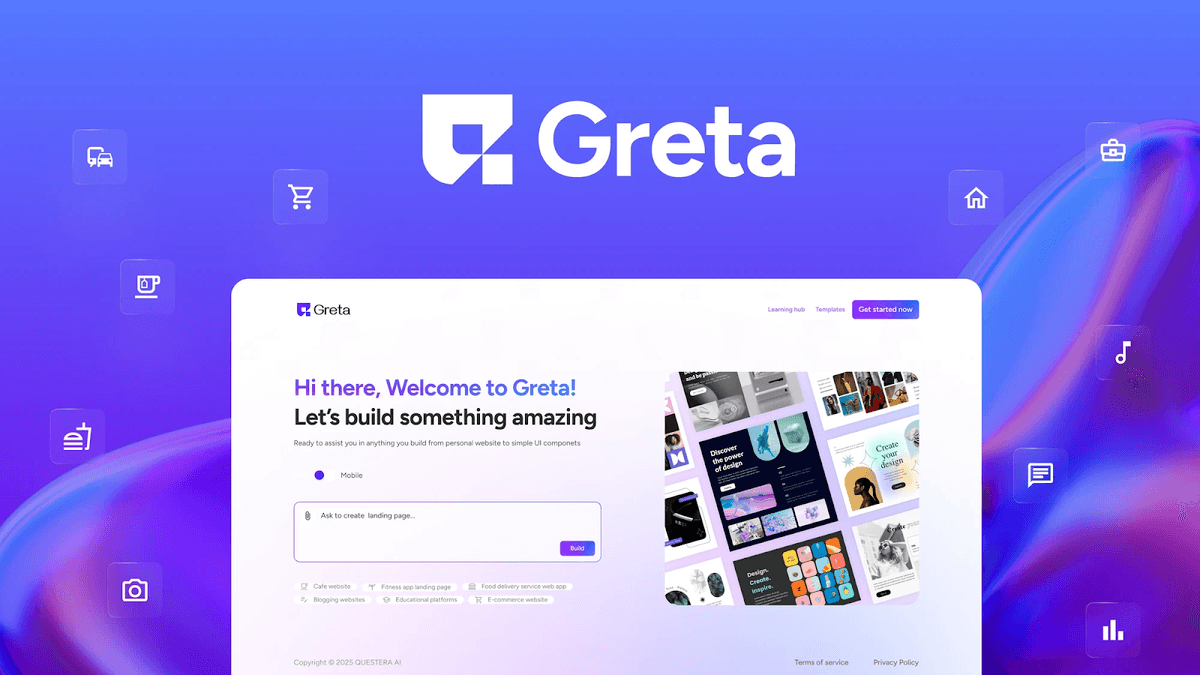
Greta is built specifically for end-to-end MVP creation. You describe your idea in natural language, and it generates a working application, frontend, backend, logic, and structure included.
Unlike many AI app builders, Greta doesn’t stop at mockups. It focuses on full stack AI development platforms that can evolve beyond prototypes.
Best For
- Non-technical founders
- Solo builders
- Early-stage startups
Strengths
- Prompt-to-app workflow
- Full-stack logic generation
- Fast iteration cycles
If you’re serious about build MVP with AI without managing dozens of tools, Greta sets the benchmark.
2. Create.xyz – Best for Developers Who Want Code Control
What It Does Well
Create.xyz focuses on generating real, editable code. It’s ideal if you want AI assistance without giving up control over your stack.
This makes it a strong contender among AI full stack development tools for technical founders.
Best For
- Developers
- Technical teams
- Custom architectures
Strengths
- Clean code output
- Strong backend scaffolding
- Flexible integrations
Limitations
- Less beginner-friendly than other AI platforms for MVP development
If you like rolling up your sleeves but want speed, Create.xyz fits nicely in an AI MVP tools comparison.
3. Glide – Best for Internal MVPs and Data-Driven Apps
Where Glide Shines
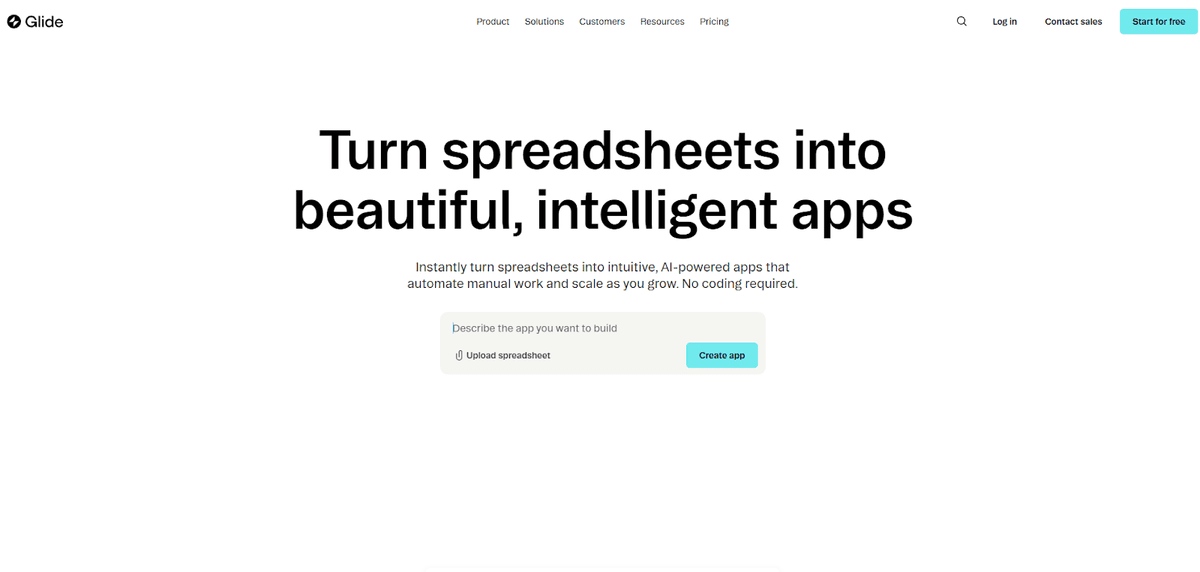
Glide turns spreadsheets into apps. While it’s not a pure AI MVP builder, it incorporates AI to speed up app logic and UI decisions.
Best For
- Internal tools
- Admin dashboards
- Data-heavy MVPs
Strengths
- Extremely fast setup
- No-code friendly
- Great for operations-focused startups
Limitations
- Limited backend flexibility
- Not ideal for complex SaaS products
In an AI app builder comparison, Glide excels at simplicity, not depth.
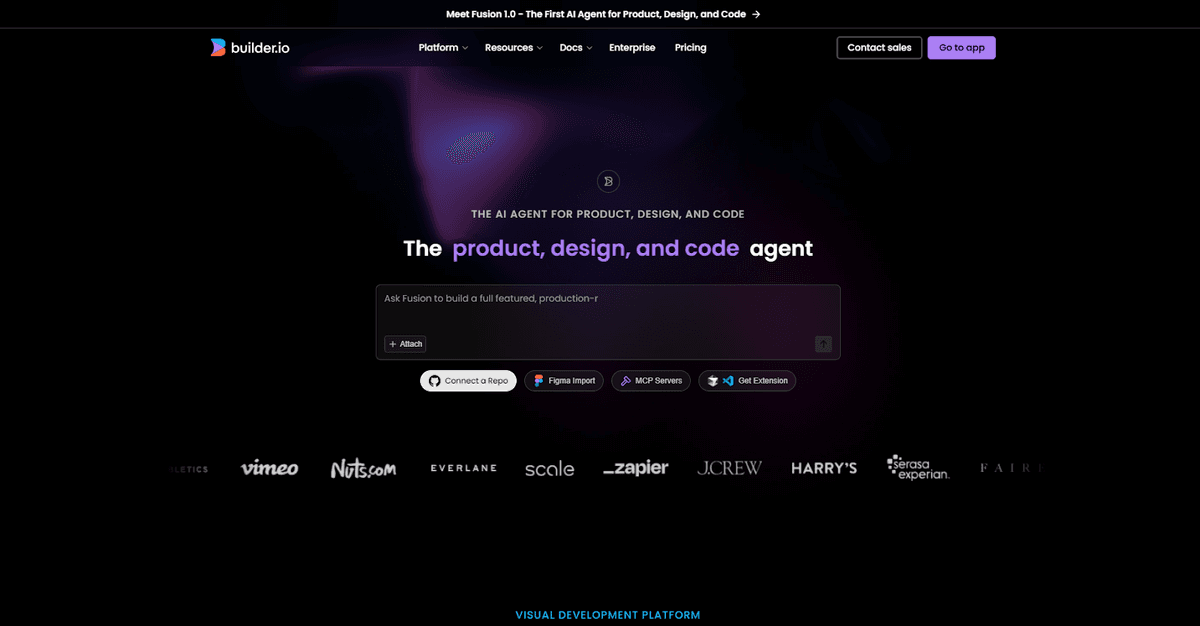
4. Builder.io – Best for Frontend-First MVPs
What Makes It Different
Builder.io focuses heavily on UI and visual experiences. It’s more about design-to-code than full backend automation.
Best For
- Marketing-driven MVPs
- Content-heavy platforms
- Design-first teams
Strengths
- Visual editing
- Headless CMS support
- Easy frontend iteration
Limitations
- Backend still requires external tools
It’s useful, but not a complete solution if your goal is full stack AI development platforms.
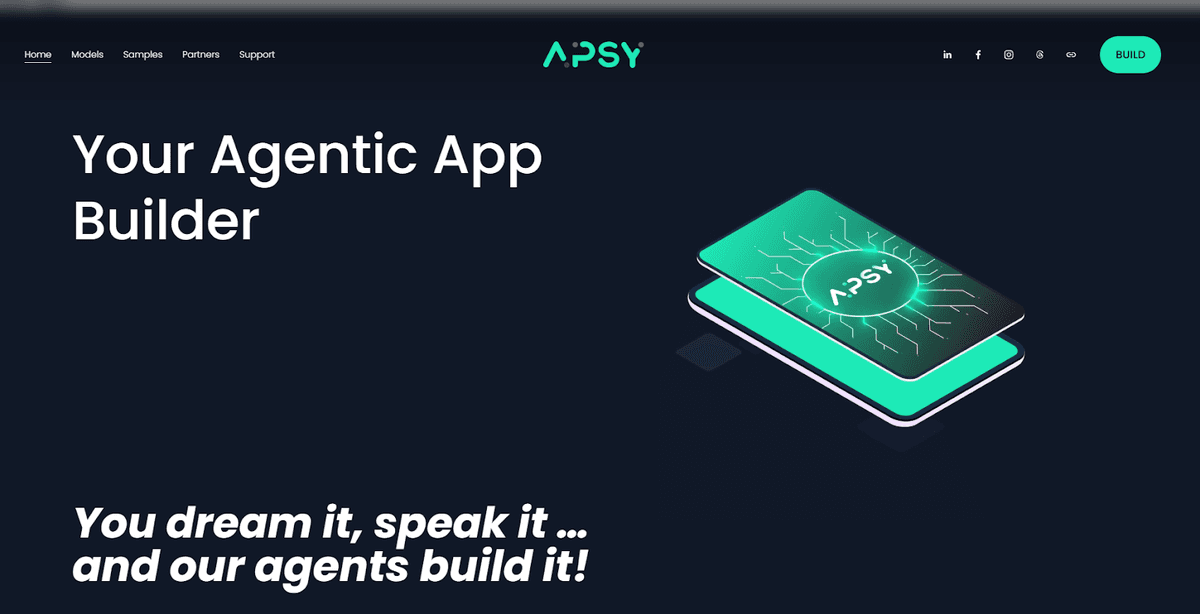
5. Apsy – Best for MVP UI and Flow Prototyping
What It Does
Apsy focuses on generating screens, flows, and UI structures. It’s excellent early in the MVP lifecycle.
Want to try one of these? Start on Greta.sh — no setup, no boilerplate — just a prompt.Best For
- UX validation
- User flow testing
- Early-stage ideation
Strengths
- Rapid UI generation
- Clear navigation modeling
Limitations
- No backend logic
- Not a full AI MVP builder
Think of Apsy as a sketchpad, not the finished product.
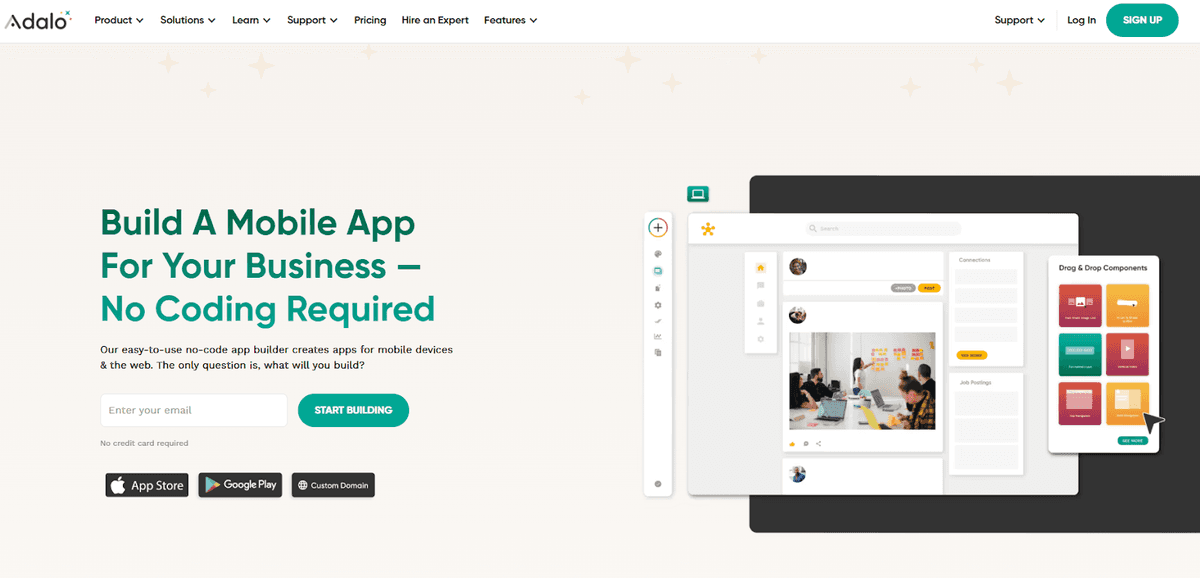
6. Adalo – Best for Mobile MVPs
Why It’s Popular
Adalo is designed for mobile-first applications. It combines no-code tools with AI-assisted workflows.
Best For
- Mobile startups
- App store MVPs
Strengths
- Native mobile support
- Quick publishing
- Visual logic builder
Limitations
- Backend scalability challenges
In the context of AI platforms for startups, Adalo works best when mobile is your core focus.
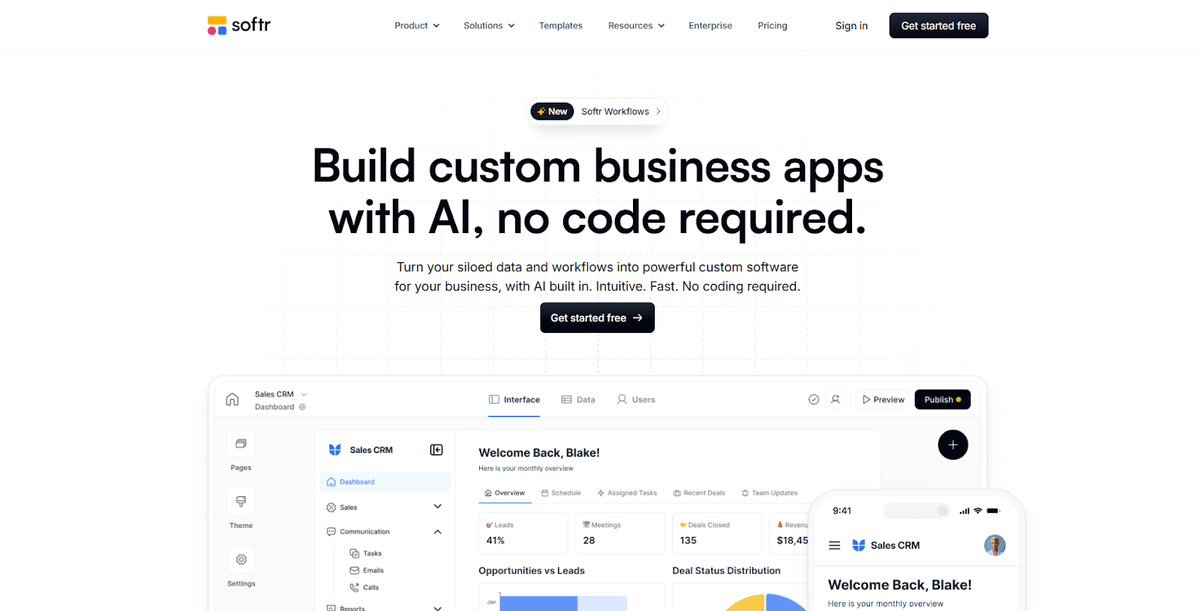
7. Softr – Best for Database-Driven MVPs
What It Excels At
Softr connects directly to Airtable or Google Sheets and layers an app interface on top.
Best For
- CRM-style MVPs
- Data portals
- Membership platforms
Strengths
- Fast setup
- Clean UI templates
- Lightweight AI assistance
Limitations
- Limited AI logic
- Not true MVP generation using AI
Good for speed, less so for complexity.
 Ready to ship? Open Greta.sh — your idea → a working app, in one chat.
8. Appy Pie – Best for Simple Business Apps
Who It’s For
Appy Pie targets small businesses that need simple apps fast.
Best For
- Booking apps
- Local business MVPs
- Basic workflows
Strengths
- Beginner-friendly
- Affordable entry point
Limitations
- Limited scalability
- Minimal AI depth
In an AI app builder comparison, Appy Pie sits at the entry level.
How to Choose the Best AI Platform for MVP Development
Here’s a simple rule of thumb:
* Want speed + scale? → Greta
* Want code control? → Create.xyz
* Want internal tools? → Glide or Softr
* Want mobile-first? → Adalo
The best AI MVP builder depends on how far you plan to take the product after validation.
Conclusion
Building an MVP no longer has to be slow, expensive, or overly technical. The rise of AI platforms for MVP development has fundamentally changed how products get validated, tested, and launched. What once required full teams and months of work can now be achieved in weeks, or even days, using the right AI MVP builder.
But the real takeaway from this comparison is not that all AI tools are equal. They aren’t. Some AI app builders are excellent for quick prototypes. Others shine for internal tools or mobile-first ideas. Only a few, however, truly qualify as full stack AI development platforms capable of carrying a product beyond the MVP stage.
For founders and startups, this distinction matters. Speed without scalability leads to rewrites. Flexibility without structure leads to technical debt. The best tools strike a balance, helping you quickly build an MVP with AI while still leaving room for growth.
As the generation of MVPs using AI becomes the default approach, the question is no longer whether to use AI, but which platform aligns with your long-term vision. Choose a tool that supports experimentation today without limiting progress tomorrow.
AI Platforms Compared for Full-Stack MVP Generation
| Platform | Best For | Full-Stack Support | Ease of Use | Scalability | Ideal Use Case |
|---|---|---|---|---|---|
| Greta | End-to-end MVPs | Yes (Frontend + Backend) | ⭐⭐⭐⭐⭐ | ⭐⭐⭐⭐½ | SaaS, startup MVPs, non-technical founders |
| Create.xyz | Developer-led MVPs | Yes (Code-first) | ⭐⭐⭐ | ⭐⭐⭐⭐⭐ | Custom architectures, dev teams |
| Glide | Internal tools | Partial | ⭐⭐⭐⭐⭐ | ⭐⭐⭐ | Dashboards, internal apps |
| Builder.io | Frontend-first MVPs | Partial | ⭐⭐⭐⭐ | ⭐⭐⭐⭐ | Design-heavy products |
| Apsy | UI & flow prototyping | No | ⭐⭐⭐⭐⭐ | ⭐⭐ | Early validation, UX testing |
| Adalo | Mobile MVPs | Partial | ⭐⭐⭐⭐ | ⭐⭐⭐ | Mobile-first startups |
| Softr | Database-driven apps | Partial | ⭐⭐⭐⭐½ | ⭐⭐⭐ | CRM-style MVPs |
| Appy Pie | Simple business apps | Limited | ⭐⭐⭐⭐⭐ | ⭐⭐ | Local businesses, basic apps |
FAQs
1. What is an AI MVP builder?
An AI MVP builder is a tool that uses AI to generate core parts of an MVP, including UI, backend logic, and workflows.
2. Are AI platforms for MVP development production-ready?
Some are. Tools like Greta and Create.xyz are closer to production than basic AI app builders.
3. Can non-technical founders use AI platforms?
Absolutely. Many AI platforms for startups are designed specifically for non-technical users.
4. How fast can I build an MVP with AI?
Depending on complexity, MVP generation using AI can take anywhere from a few hours to a few days.
5. Which is the best AI platform for MVP development?
There’s no single answer, but in most AI MVP tools comparison scenarios, Greta ranks highest for full-stack coverage.





© 2026 Questera
Follow in Google