






Top AI Software Development Tools for SaaS Developers in 2026
Solo developers building SaaS products face a unique challenge: delivering high-quality, scalable software while managing every stage of development independently. In 2026, the growing intersection of AI and software development has reshaped this reality. With advanced AI software development tools, individual developers can now design, build, and iterate on SaaS applications faster and with greater confidence than ever before.
With the right AI software development tools, solo developers are no longer “solo” in the traditional sense. AI has stepped in as the extra pair of hands, and sometimes the extra brain, you didn’t know you needed. Whether you’re experimenting with AI app dev or going all in on AI for software development, the landscape has changed completely.
So let’s break it down. What actually works? What doesn’t? And which AI tools truly help solo developers build real SaaS products?
TL;DR
- Solo developers can now build and scale SaaS products faster using modern AI and software development tools
- Today’s AI software development tools support full-stack workflows, not just code snippets
- AI for software development helps reduce complexity, speed up iteration, and improve code quality
- AI app dev gives solo founders a real competitive edge in shipping MVPs and production apps
- Greta stands out by offering product-level context, safer iteration, and end-to-end SaaS development support
- Choosing the right AI tools is essential for building scalable SaaS products in 2026
Why AI and Software Development Go Hand in Hand Today?
Once upon a time, AI in coding meant autocomplete. Today, AI and software development are more like co-pilots flying the same plane.
Modern AI software development tools don’t just help you write code faster; they help you think better. They assist with architecture, logic, and iteration. For solo developers, that’s massive.
Instead of constantly switching between tools, tabs, and docs, AI for software development keeps you focused. It’s like having a GPS instead of having to memorize every turn yourself.
And when you’re deep into AI app dev, focus is everything.
What Solo Developers Actually Need From AI App Dev Tools?
Solo developers don’t need more features; they need fewer problems. In modern AI and software development, the best tools don’t just save time; they reduce friction. Here’s what truly matters when choosing AI app dev tools.
Full-App Context, Not Isolated Suggestions
The biggest gap in most AI software development tools is context. Solo developers need AI that understands how frontend, backend, and business logic work together, especially in long-term AI app dev projects.
Support Beyond Just Writing Code
Writing code is only part of the job. The best AI for software development tools help with architecture, feature planning, and refactoring, not just syntax or autocomplete.
Fast Iteration Without Breaking Existing Logic
Solo developers iterate constantly. Strong AI app dev tools help you change one part of the app without causing unintended issues elsewhere, which is critical in scalable AI and software development.
Build this with a prompt on Greta.sh — describe the app, Greta writes and deploys it.Minimal Setup and Low Maintenance Overhead
Complex configuration kills momentum. The most effective AI software development tools work out of the box, letting solo builders focus on shipping instead of setup.
Reduced Mental Load and Context Switching
When you’re alone, mental energy is your most limited resource. Great AI for software development tools reduces decision fatigue and keeps you in a state of flow.
Core Categories of AI Software Development Tools
Before selecting tools, it helps to understand how AI and software development are structured today.
AI App Dev Platforms
These tools support end-to-end AI app dev, from idea to production. They focus on features, workflows, and structure.
AI Coding Assistants
Great for speed, but often blind to the bigger picture.
AI Testing and DevOps Tools
These protect you from future headaches. In AI for software development, automation here is non-negotiable.
Together, these categories define the modern AI software development tools stack.
Best AI Tools for Solo Developers Building SaaS Products
Greta AI
If you’re serious about AI app dev, Greta AI deserves your attention.
Unlike most AI software development tools, Greta doesn’t just help you write code; it understands your SaaS as a system. Features, logic, and workflows stay connected.
Why Greta works so well for AI for software development:
- It keeps the long-term context
- It helps you build complete features.
- It reduces the need for multiple tools.
Using Greta feels less like “prompting an AI” and more like working with a technical partner. This is AI and software development done right.
GitHub Copilot
GitHub Copilot is one of the most popular AI software development tools, and it’s great at what it does: speeding up typing.
But for deep AI app dev, it falls short. It doesn’t understand your product. It doesn’t guide architecture. It’s helpful, but not sufficient for full AI for software development workflows.
Want to try one of these? Start on Greta.sh — no setup, no boilerplate — just a prompt.Cursor and Windsurf
Cursor and Windsurf bring AI and software development directly into your editor. They shine when refactoring or exploring unfamiliar code.
That said, they still rely heavily on you to hold the product vision. For solo developers, that cognitive load adds up fast.
| AI Tool | Primary Use Case | Best For | Why It Matters for Solo Developers |
|---|---|---|---|
| Greta AI | End-to-end AI app dev | SaaS MVPs & scalable products | Product-level context, full-stack understanding, fewer tools needed |
| GitHub Copilot | Inline code assistance | Speeding up coding | Faster typing but limited architectural awareness |
| Cursor | AI-powered IDE | Refactoring & navigation | Helpful for edits, still requires strong manual oversight |
| Windsurf | AI coding workflows | IDE-based app dev | Good for experimentation, limited product context |
| AI Testing Tools | Automated testing | Stability & quality | Prevents regressions without extra effort |
Why Greta Stands Out in AI and Software Development?
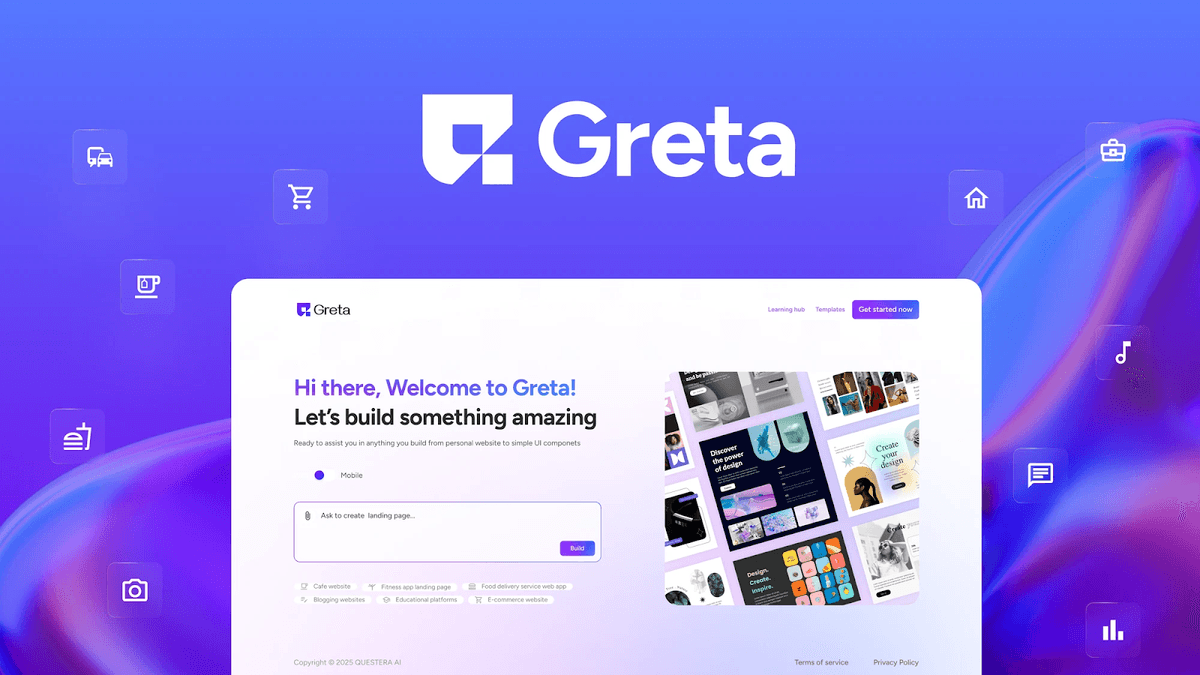
Most AI tools promise speed. Greta delivers clarity. In the evolving world of AI and software development, the difference between shipping fast and building right comes down to context, continuity, and confidence. This is where Greta clearly pulls ahead of other AI software development tools.
Product-Level Understanding, Not Just Code-Level Help
Greta doesn’t treat your app like a collection of files. It understands how features, workflows, and logic connect across your entire SaaS. This makes AI app dev feel structured instead of fragmented.
Context That Actually Sticks
Many AI software development tools forget what you explained five prompts ago. Greta retains context across sessions, reducing repetition and helping you build on previous decisions. That’s real progress in AI for software development.
Built for End-to-End AI App Dev
Greta supports the full lifecycle, idea, architecture, feature development, and iteration. Instead of juggling multiple tools, solo developers can rely on one cohesive AI app dev platform.
Safer Iteration as Your SaaS Grows
As products evolve, changes can easily break existing logic. Greta helps you iterate while respecting the current architecture, which is critical for long-term success in AI and software development.
Designed to Reduce Mental Load for Solo Developers
Solo builders already have too many responsibilities. Greta simplifies decisions, reduces tool switching, and keeps you focused on outcomes. That’s why it stands out among modern AI software development tools.
Common Mistakes Solo Developers Make With AI Software Development Tools
Even powerful AI software development tools can slow you down if they’re used the wrong way. In AI and software development, knowing what *not* to do is just as important as choosing the right tool.
Treating AI Like a Copy-Paste Machine
Many developers use AI app dev tools to generate code without understanding it. This leads to fragile systems and hard-to-debug problems down the line.
Ready to ship? Open Greta.sh — your idea → a working app, in one chat.Relying Only on Snippet-Level Assistance
Tools that only help at the line or file level often fail in real AI for software development workflows. Without product-level thinking, complexity grows fast.
Using Too Many Disconnected Tools
Tool sprawl is a silent productivity killer. Jumping between multiple AI software development tools increases context switching and slows decision-making.
Ignoring Long-Term Maintainability
Speed feels great early on, but messy code doesn’t age well. Effective AI and software development requires tools that help you think beyond the MVP.
Expecting AI to Replace Judgment
AI should amplify your thinking, not replace it. The best AI app dev results happen when developers treat AI as a collaborator, not an autopilot.
Conclusion
Solo developers are no longer underdogs. With the rise of AI and software development, one person can now build what once took a team.
The key is choosing the right AI app dev platform. When you invest in modern AI software development tools, you don’t just move faster, you build smarter.
And in 2026, smart beats fast every time.
FAQs
1. What does AI app dev mean?
AI app dev refers to building applications using AI-powered tools that assist with logic, structure, and iteration.
2. How does AI for software development help solo developers?
It reduces workload, improves focus, and helps manage complexity without extra team members.
3. Are AI software development tools safe for production SaaS apps?
Yes, especially modern tools designed specifically for long-term scalability.
4. Are AI and software development replacing developers?
Not at all. AI amplifies developer ability; it doesn’t replace creativity or judgment.
5. Which AI app dev tool is best for solo SaaS builders?
Greta AI stands out due to its product-level understanding and end-to-end support.





© 2026 Questera
Follow in Google